
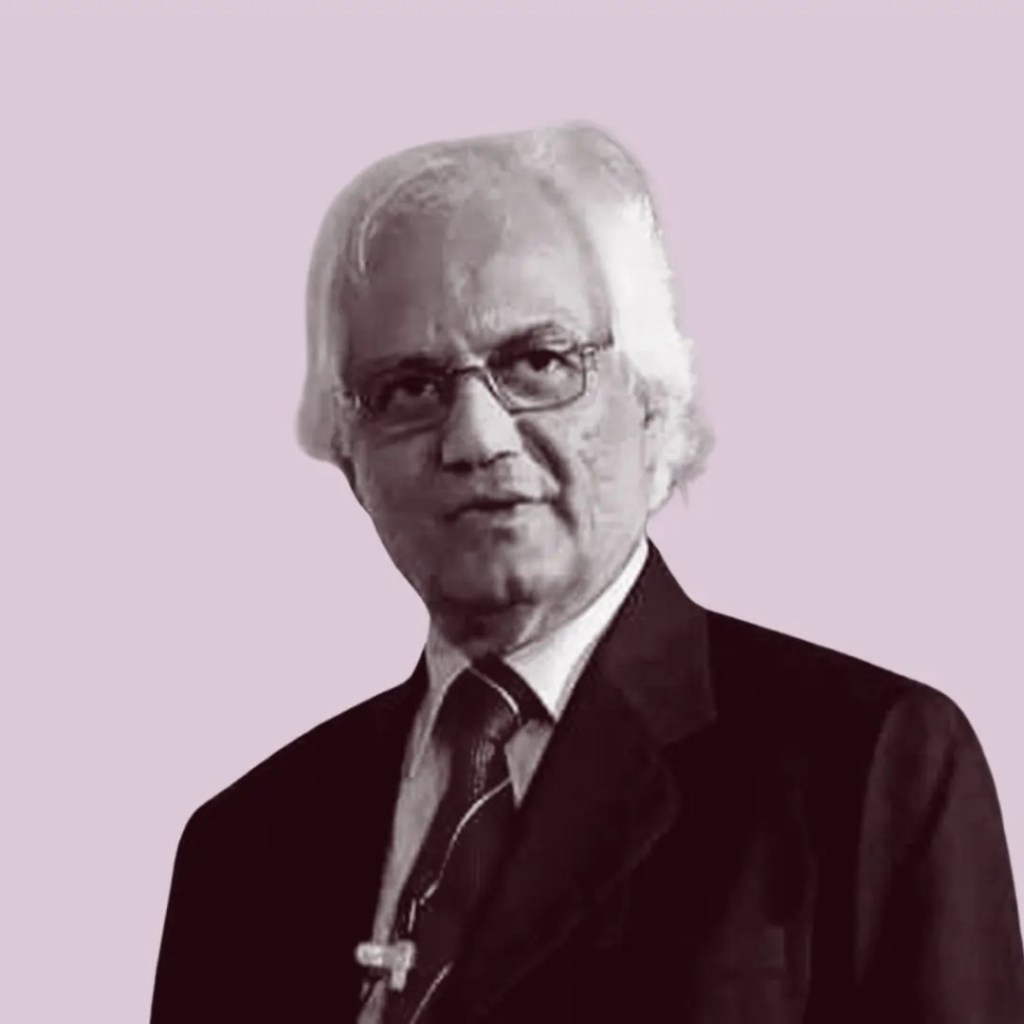
In one of his most insightful talks, Rooshikumar Pandya explains communication in a way that education leaders immediately relate to. He does not begin with grammar, vocabulary, or language skills. He begins with people.
According to him, communication is successful only when it is guided by what he calls the six friends of communication. These six friends help a leader think clearly before speaking and avoid confusion, conflict, and misunderstanding.
This section is based directly on his lecture and the examples he uses to make these ideas simple and memorable.
Table of Contents
Communication Is a Process, Not Just Talking
Pandya first explains that communication always involves a process. There is a communicator, a message, a language or code, a channel, a receiver, and finally feedback.
He uses a simple classroom example. When he speaks in English, Hindi, and Gujarati together, some people understand fully, some partially, and some not at all. This is because language itself is a coding system. If the code is not shared, communication fails.
For education leaders, this is critical. A circular sent to teachers, instructions given to students, or explanations shared with parents must be coded in a way the listener understands.
Coding Problems. A Doctor’s Costly Mistake
To explain coding errors, Pandya shares a real incident from a psychotherapy class. A psychiatrist from Pune told him that most of his patients spoke Hindi, while he mainly spoke Marathi and English.
Pandya asked him to translate a simple English relaxation script into Hindi. The doctor confidently did so. When Pandya checked the translation, one line that meant “your legs are becoming heavy” in English had been translated into Hindi in a way that actually meant “you are pregnant”.
Pandya explains that if such a sentence were spoken to a patient, it would create shock and confusion. The problem was not intention. The problem was incorrect coding.
For school and college leaders, this shows how dangerous unclear language can be. Even well meaning communication can go wrong if words are not chosen carefully.
Decoding Problems. When Words Sound Offensive
Pandya then explains decoding problems using a cultural example.
A man from Vijayawada married a Parsi woman. When the bride arrived at her husband’s home, the mother in law welcomed her by saying a word in Telugu that sounded extremely rude to the bride. The bride immediately became angry and hurt.
Later, it was explained that the word actually meant “welcome, please come in” in Telugu. The conflict happened because the listener decoded the word using her own language and cultural background.
Education leaders face this daily. A teacher may misinterpret a principal’s tone. A parent may misunderstand a school’s message. Understanding how decoding works helps leaders prevent unnecessary conflict.
The Six Friends of Communication
After explaining these problems, Pandya introduces the heart of his teaching. He quotes Rudyard Kipling and says that if you want to be a good communicator, you must have six friends.
These six friends are simple questions.
Whom
Why
What
When
Where
How
Pandya explains each one with powerful examples.
Whom Are You Communicating With
This is the most important question.
Pandya says the better you understand your audience, the better your communication will be. A message for students cannot be the same as a message for teachers or parents.
He stresses that leaders must do their homework. Without understanding the audience, even intelligent people fail to communicate.
To prove this point, he shares the example of Mahatma Gandhi.
Mahatma Gandhi and the Lesson of Preparation
Pandya quotes Gandhi’s own words from his early days as a lawyer. Gandhi once stood up in a courtroom and experienced intense fear. His head was spinning, his body was shaking, and he could not speak. He finally sat down and told his agent that he could not conduct the case.
Pandya explains that many professionals would have given up after such an experience. Gandhi did not.
Instead, Gandhi learned a lesson that changed his life. He said that the experience taught him the economy of words. After that day, Gandhi resolved that no careless word would ever come out of his mouth or pen.
For education leaders, this is a powerful reminder. Clarity of thought always comes before clear communication.
Why Are You Communicating
Pandya explains that every communication has a purpose. According to him, there are three main reasons people communicate.
To educate or inform
To persuade or motivate
To entertain
He explains that these purposes often overlap. A teacher may educate while motivating. A principal may share information while inspiring confidence.
But the purpose must be clear in the speaker’s mind. If leaders speak without knowing why they are speaking, confusion follows.
What Are You Saying
Pandya connects this directly to clarity of thought.
He asks a simple but uncomfortable question. Do you think before you speak.
He explains that careless words damage trust. Thoughtful words build credibility. Leaders who speak less but speak clearly are taken more seriously.
When Should You Say It
Timing, according to Pandya, is everything.
He explains that even the right words spoken at the wrong time can create damage. He refers to stories from the Mahabharata where poor timing led to conflict and humiliation.
For education leaders, this applies to feedback, discipline, and announcements. Saying the right thing at the wrong moment can escalate problems instead of solving them.
Where Are You Communicating
Pandya reminds his audience that the setting matters.
A sensitive conversation should not happen in a public corridor. Feedback should not be given in front of others. The place of communication affects how the message is received.
How Are You Communicating
Finally, Pandya explains that tone, body language, and intention matter more than words.
He even mentions examples from literature and modern life to show that great communicators are not always language experts. He talks about Michael Crichton, who was once told he could not write well, yet went on to write bestselling novels like Jurassic Park.
The lesson is clear. Communication is about understanding people, not showing off language skills.
What Education Leaders Can Learn
Rooshikumar Pandya’s six friends of communication give education leaders a simple but powerful framework.
Before speaking, pause and ask these six questions. This habit alone can reduce conflict, improve trust, and strengthen leadership presence.
At EducatedTimes.com, we believe these teachings are essential for principals, academic heads, and education administrators who want to lead with clarity and humanity.
Rooshikumar Pandya’s teachings remind education leaders that communication is about clarity, timing, and understanding people. By using the six friends of communication, leaders can avoid conflict, build trust, and create learning spaces where teachers and students feel heard, respected, and confident.