
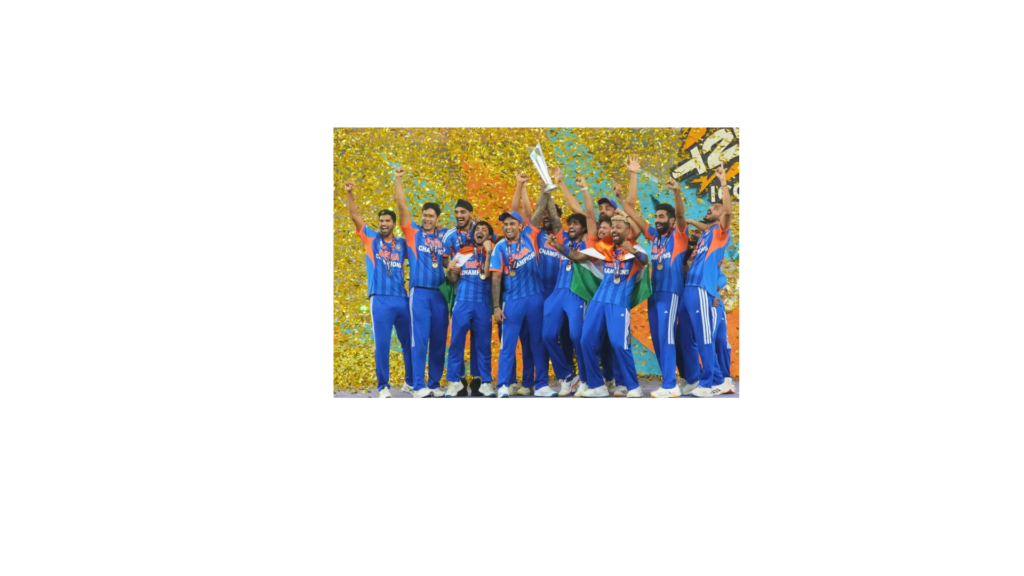
What Surya’s Team
Taught Us About
Leading People
Insights from India’s T20 World Cup victory for school leaders and educators.
When India lifted the T20 World Cup trophy, most people saw a cricket match. Those of us who lead — who walk into classrooms and staffrooms every day trying to bring the best out of people — we saw something else entirely.
We saw a masterclass in what real leadership looks like. Not the loud kind. The quiet, courageous, deeply human kind.
Here are four moments from that campaign that offer a roadmap for educational leadership today.
Backing the Overlooked
Sanju Samson had waited for years. Highly talented but frequently overlooked, he finally received the full backing of the team hierarchy. When given a clear role and public trust, he flourished.
Every school has a “Sanju.” The teacher who keeps getting passed over for leadership roles they are ready for. The student labeled as “difficult” who has never been given a responsibility to live up to.
The question isn’t whether they are capable. The question is whether we have created the conditions for them to show it.
In education, when we publicly give someone a chance, we shift the entire culture. It signals to everyone that growth is rewarded and that “someday” starts now.
Identify one person who has been waiting in the wings. Give them a real project, back them publicly, and provide the safety net they need to succeed.
Investing in Potential over Pedigree
Abhishek Sharma and Varun Chakravarthy were calculated bets. The team management chose to believe in their high-ceiling potential rather than playing it safe with established names. They were supported even during the inevitable dips in form.
Real leadership is what happens “in the dip.” Supporting a teacher when they are winning awards is easy. Supporting them when a lesson falls flat or a term is particularly grueling is where real culture is built.
Backing someone through uncertainty communicates: “I see who you are becoming, not just who you were today.”
Think of a colleague in a professional “dip.” Avoid the performance management lens for a moment and have a human conversation about rhythm and confidence. That is your primary job this week.
The Power of Stepping Back
Suryakumar Yadav, despite being a world-class batsman, restructured his own position to improve the team’s balance. He chose the harder path of personal sacrifice for collective gain.
We often like our “batting spot.” We like being the central figure in the parents’ evening or the keynote speaker at the staff meeting. But leadership in education often means not being the one doing the significant thing.
The legacy of a school leader isn’t their own performance; it’s the performance of the people they developed.
What are you holding onto that someone else should be doing? Hand it over. Support them through the fumbles as they grow into the role.
Standing Tall in the Final Over
The iconic boundary catch by Suryakumar in the dying seconds. Under immense pressure, he didn’t rely on luck; he relied on the thousands of hours of habit and a pre-decided refusal to flinch.
There are “final overs” in every school year—the crisis meeting, the safeguarding concern, the difficult feedback session. These moments define you. You don’t perform well because of a flash of inspiration; you perform well because you’ve done the inner work long before the moment arrived.
Identify your “final overs” this term. Prepare for them mentally. Decide who you intend to be in that high-pressure room before you even walk through the door.
Champions Are Made
Before the Final
India didn’t win that World Cup in the final moments. They won it in every quiet decision that led there. Every time they trusted someone, put the team first, and chose not to buckle.
That’s not just cricket. That’s leadership. And it’s available to every educator, every day.
Dedicated to the educators who show up fully, even when nobody is watching.

